Is there any certification I should expect with my charger / installation?
↓
Yes, following your installation you should receive a certificate of electrical compliance. An electrical certificate of compliance verifies that an electrical installation complies with BS 7671, the British standard for electrical safety. You should also receive a Smart Charging Regulations 2022 Certificate of Compliance, which clarifies that your charger meets the smart charging compliance that came into effect on June 30th 2022.
What should I consider when thinking about installing an EV charger?
↓
Factor in where you currently park your vehicle, where on your vehicle the charging socket is and how easy is it to get the supply cable to that location. This and some of the things listed below should help you make the best decision.
Speed of charger – what do I need?
↓
The speed of your charger isn’t a factor you have much control of. If you have a three-phase supply (most commercial properties), the maximum charging speed you can achieve is 22kW. Regardless of supply type, the speed can also be curtailed by the existing load you have on your workplace. If you have large industrial equipment, servers, air conditioning, compressors, hand dryers etc, then these may impact on your load. Some chargers offer dynamic load balancing, which means they can monitor your properties load and adjust the charger speed accordingly to meet the load requirements.
How far is the charger location from your distribution board / plant room?
↓
This will determine the cost of your installation. The further away the distribution board, the more the install will cost as bigger and longer cables have to be factored in.
Will the cable run on the surface or underground?
↓
The cable can be either surface mounted or buried underground. If you are burying underground, we recommend burying the cable in protective ducting with a cable pull so that should you wish to replace the cable or update it a later date it’s easier to remove. Cables must also be buried according to the current electrical regulations. Extensive groundworks can add additional costs to installation.
Earthing – EV chargers need special earthing needs?
↓
EV chargers need to be earthed separately from the main supply if the charger is located outside the property (which the majority are) to meet IET Wiring Regulations BS:7671 2018 Amendment 1 2020. This requires one of two solutions; the charger needs to be installed with an earth electrode (rod), which means digging into your car park to bury the rod, or alternatively you can fit a charger with PEN fault protection built in, such as the Easee One. Other companies such as Matt:e, Proteus or Garo offer supply boxes which also have the PEN fault protection built in.
Are you going to buy the charger and then get someone else to install it or buy an end to end service?
↓
At "AK Power" Ltd. we can offer either an end-to-end supply and installation service or simple supply-only installation kits for your onsite electrician to fit.
Should I Attempt a DIY Installation of an EV Charger, or to Hire a Professional?
↓
To comply with the law, the installation of your home electric vehicle charger must be carried out by a licensed professional electrician who adheres to the regulations outlined in BS7671 and the Code of Practice for Electric Vehicle Charging Equipment Installation, 4th Edition. Certified electrician experienced in EV charger installations will ensure that the charger is safely connected to your electrical supply, preventing any potential hazards or damage. By hiring a professional, you can have confidence that the installation will be done correctly and safely, providing you with a reliable and efficient charging solution for your electric vehicle.
Is it possible to charge my electric vehicle using a standard household plug?
↓
Yes, it is technically possible to charge your electric vehicle using a standard household plug, often referred to as a 3-pin plug. However, it's essential to note that this method is not the most efficient or practical for regular charging. Using a 3-pin plug for EV charging is typically a slow process and may take over 24 hours to fully charge your vehicle, depending on its battery capacity and the charging rate. These plugs are designed for everyday household use and may not provide the higher power levels that dedicated EV chargers offer. In most cases, EV owners use dedicated EV charging equipment or charging stations that offer faster charging speeds, which are more convenient for daily use. While a standard household plug can be used as a temporary solution in emergency situations, it is not recommended as a primary charging method for electric vehicles due to the extended charging times.
Is it possible to have an electric vehicle charger installed outdoors?
↓
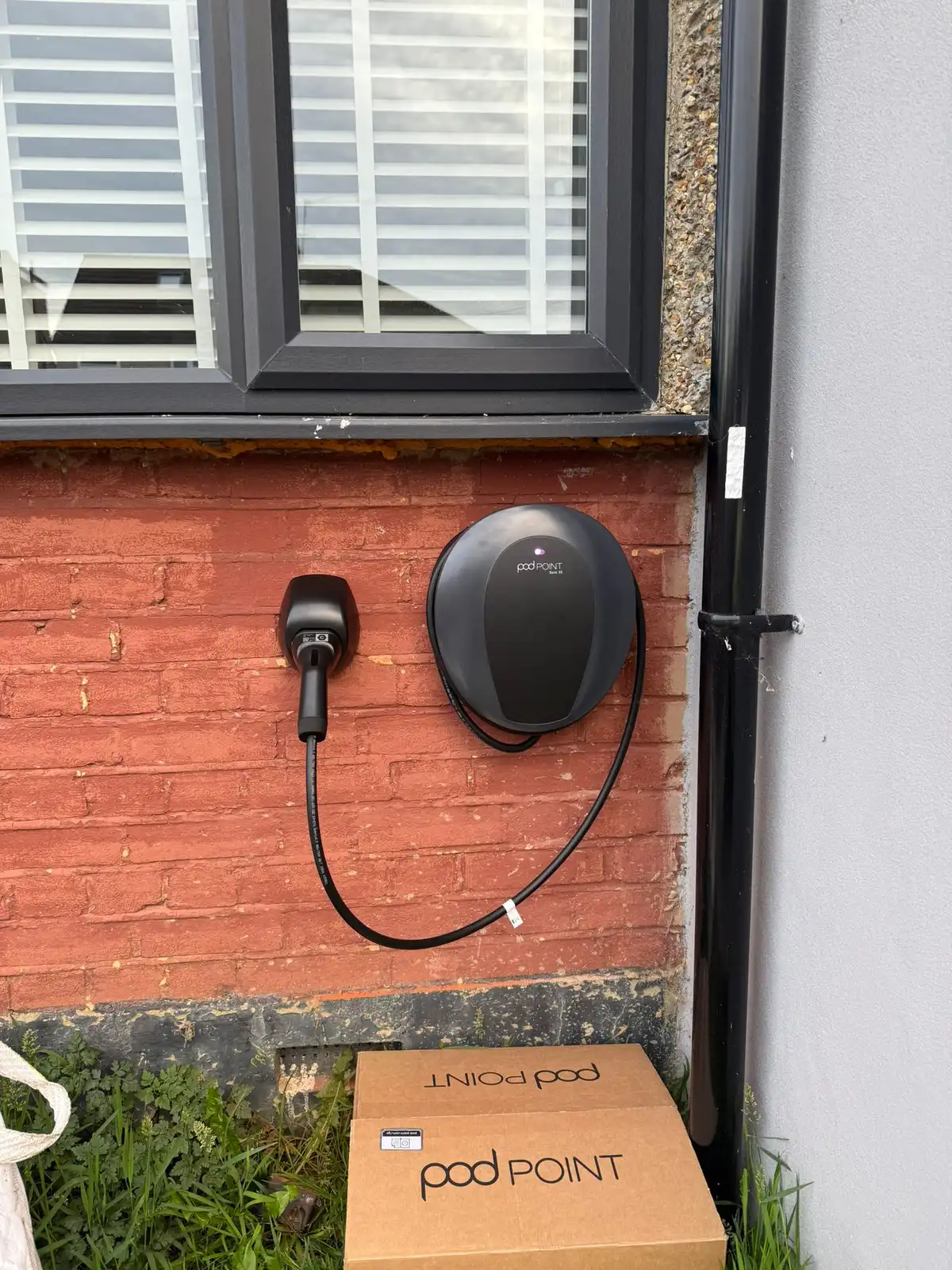
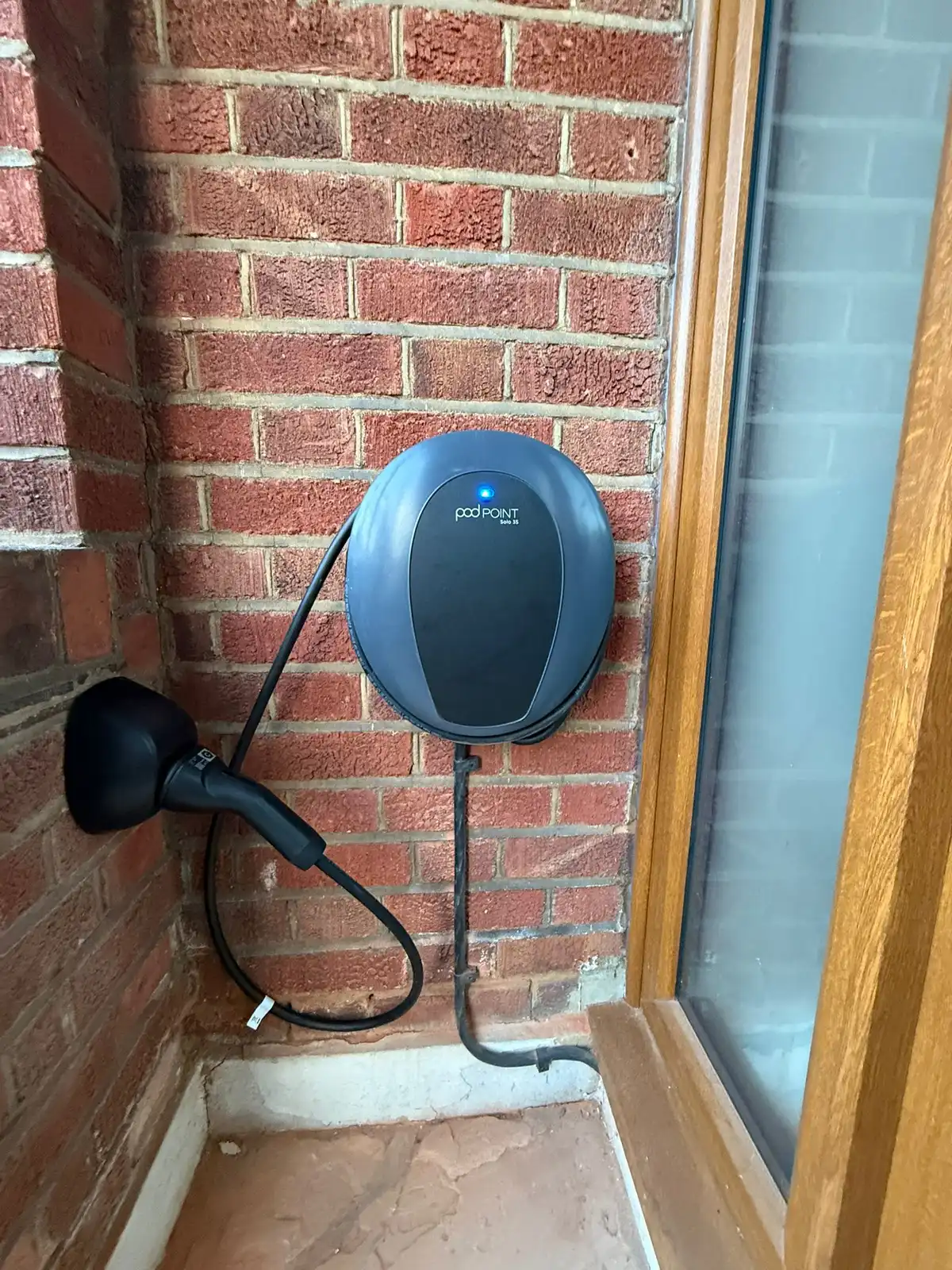
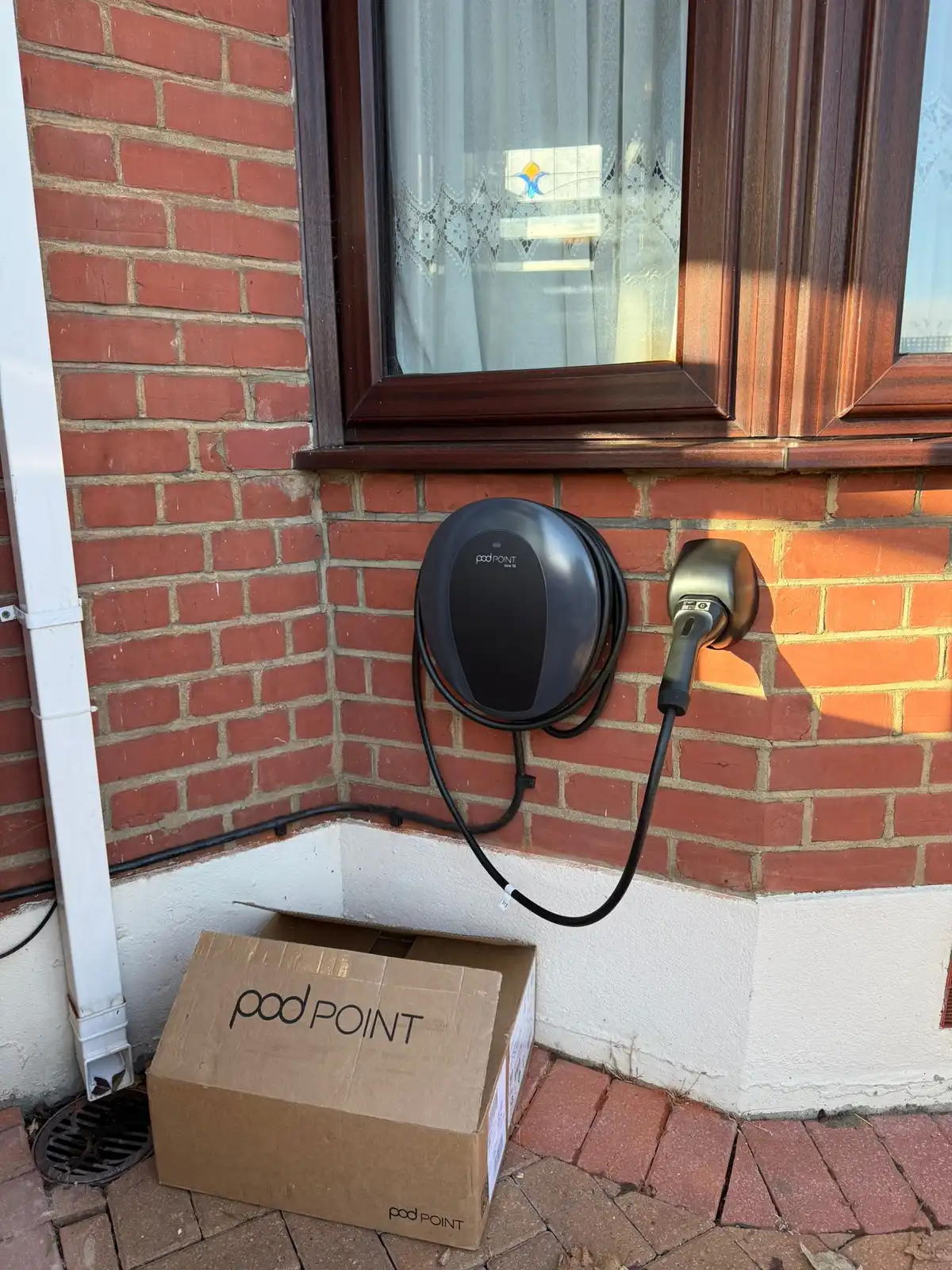
Absolutely, it is entirely feasible to install an electric vehicle charger outdoors. This option is particularly popular among EV owners who lack a garage or simply prefer parking their vehicles outdoors. Outdoor installations are widely practiced and can provide convenient access to charging for your electric vehicle. However, it's crucial to ensure that the charger and its installation are designed to withstand outdoor conditions and are compliant with relevant safety standards and regulations. Proper protection against weather elements and appropriate cable management are essential factors to consider for an effective and safe outdoor charging solution.
Is it possible to set up an electric vehicle charger in a rented property?
↓
Yes, it is possible to install an electric vehicle charger in a rental property, but it typically requires permission from the landlord. Many landlords are open to such installations, especially if it adds value to the property. We can help draft a clear agreement regarding costs, maintenance, and removal. It's also worth exploring available grants that may assist both tenants and landlords.
What is the difference between a tethered and untethered EV charger?
↓
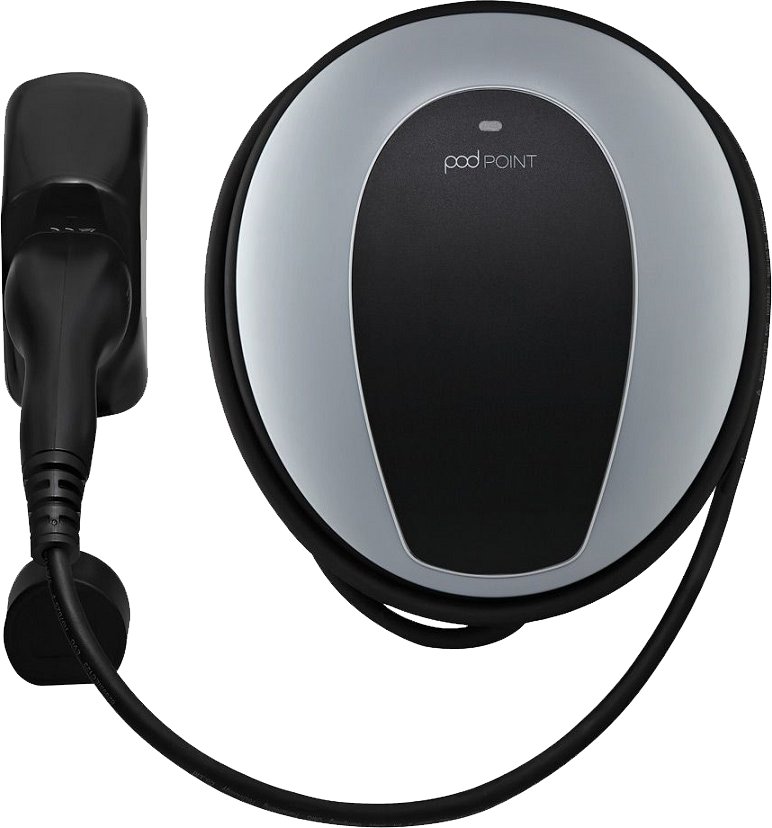
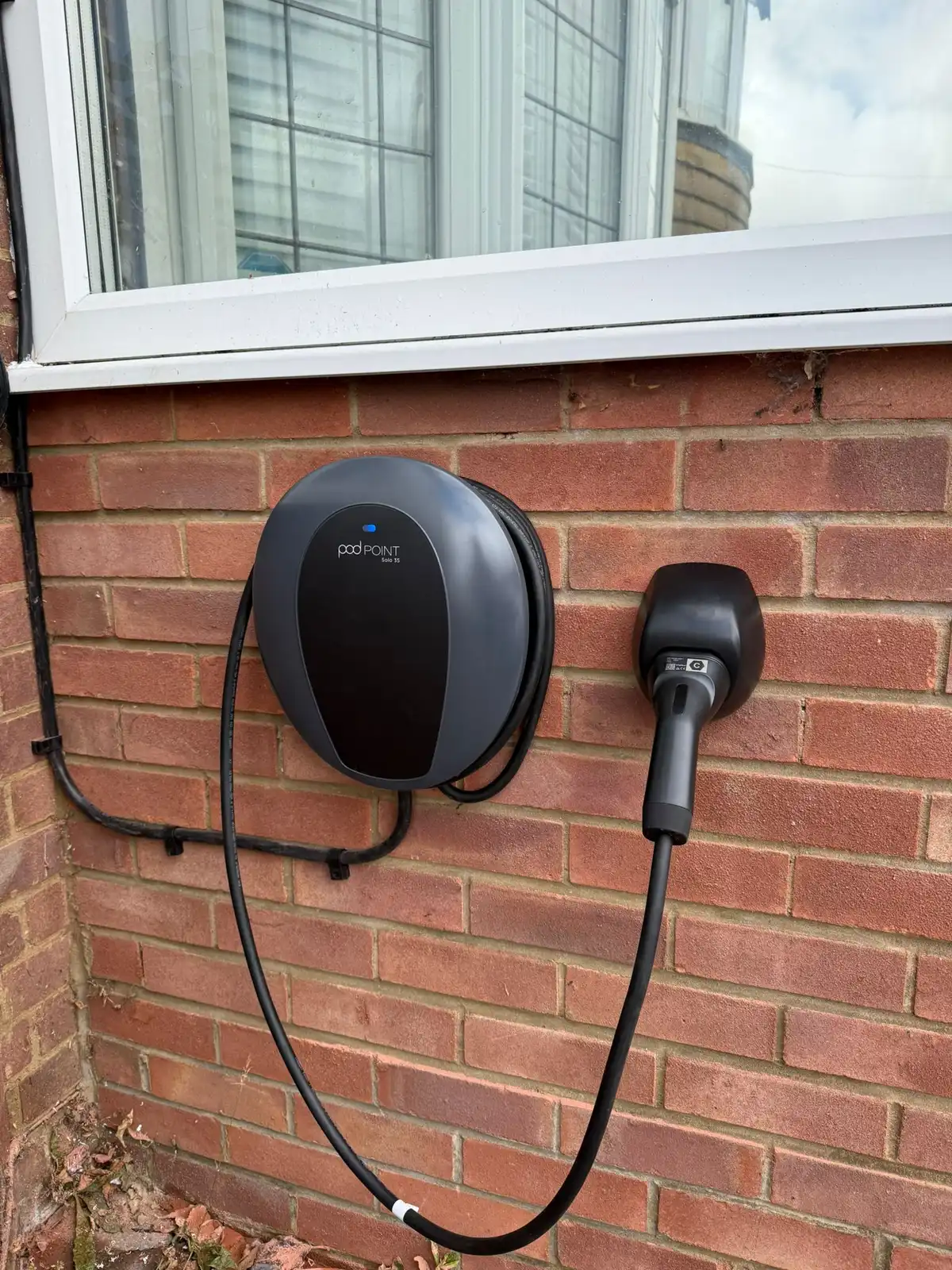
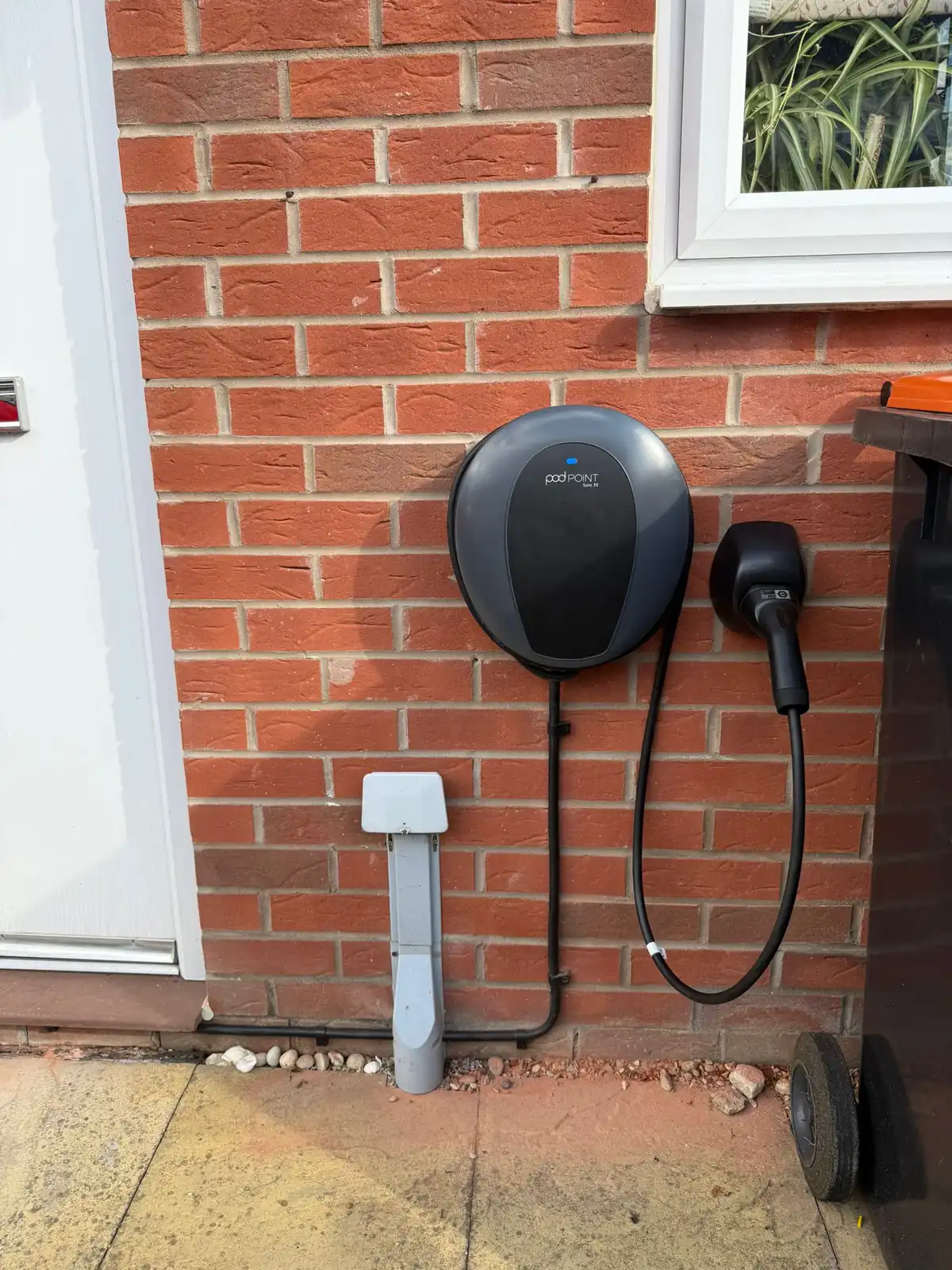
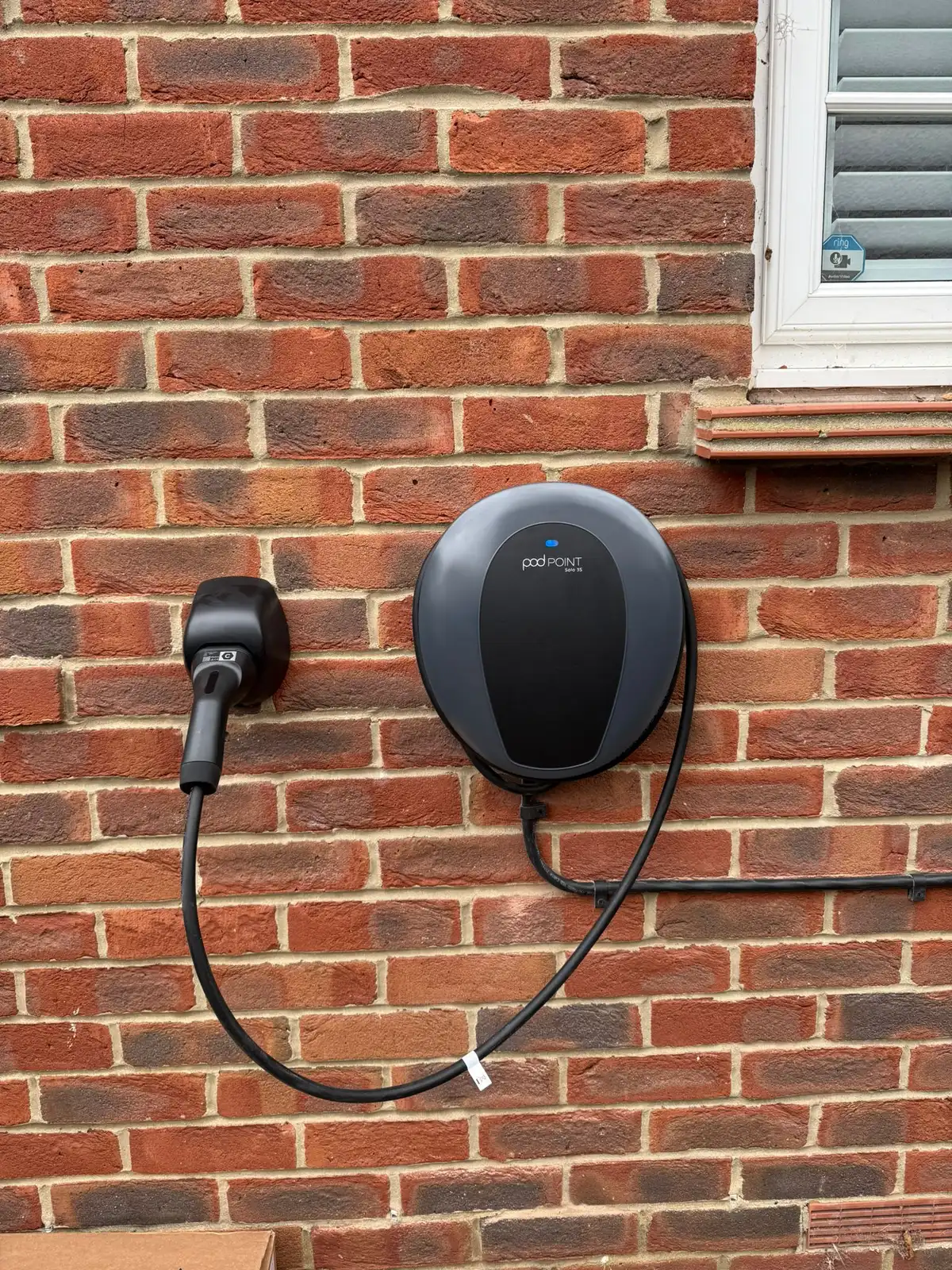
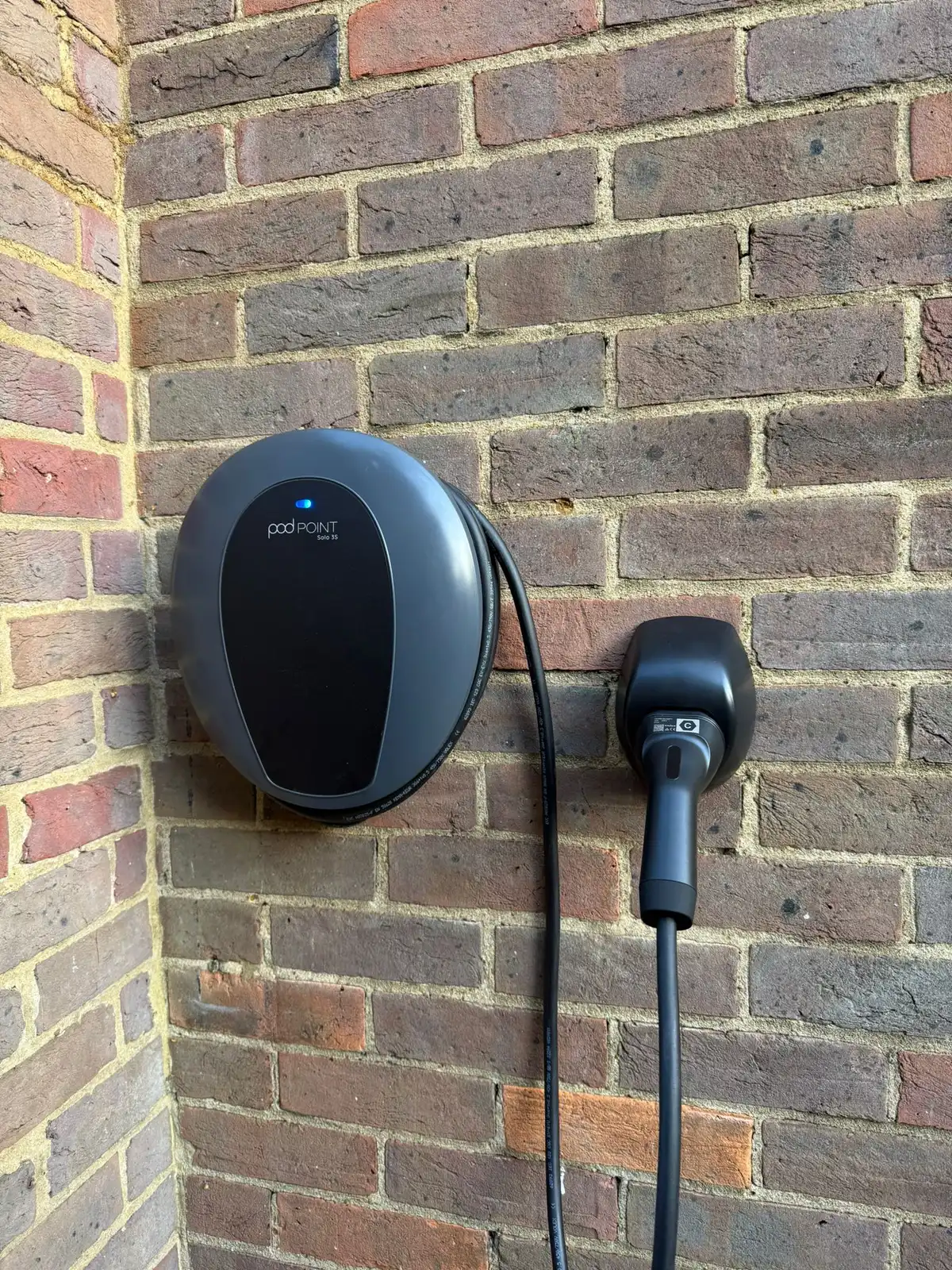
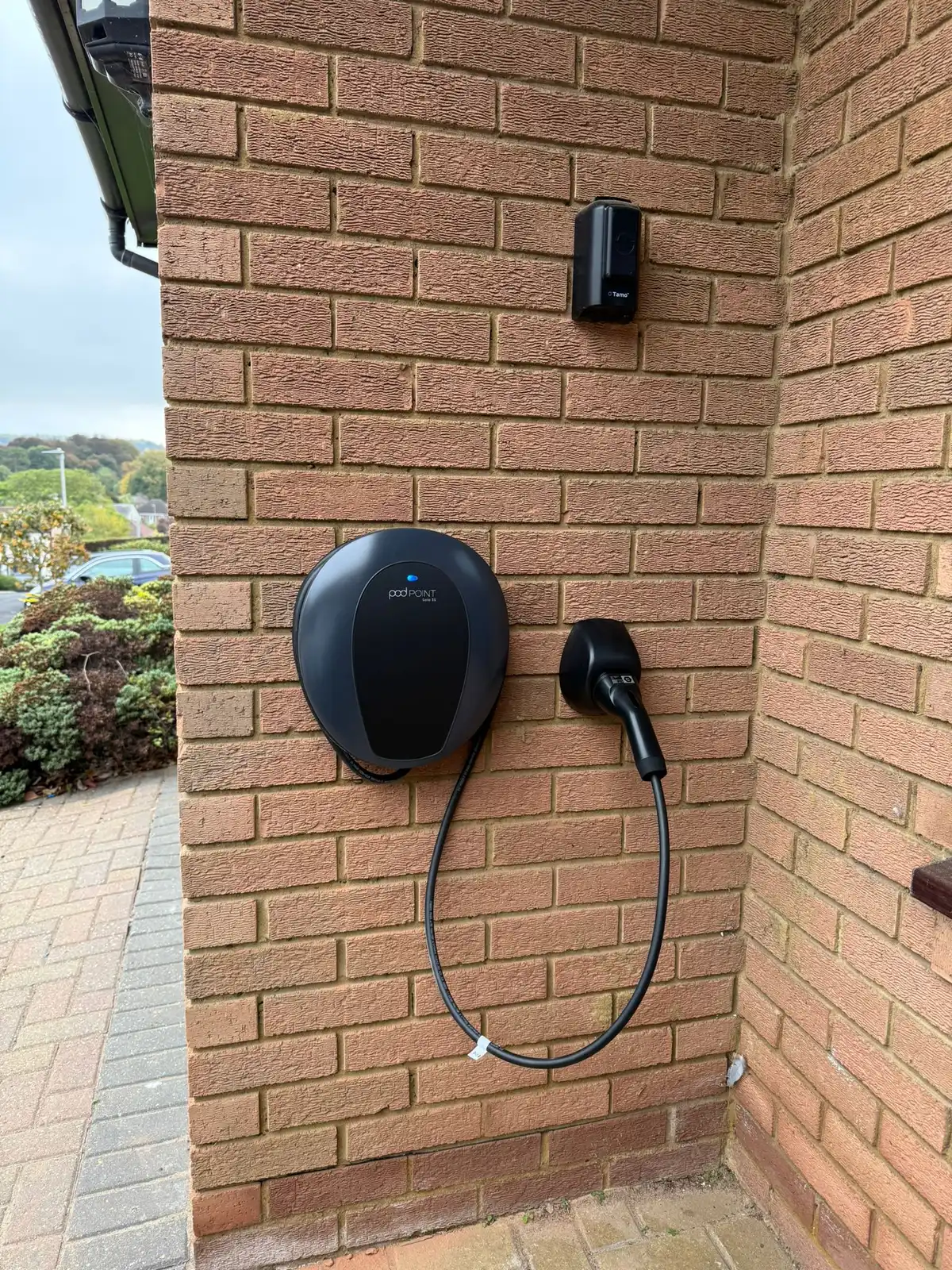
A tethered charger has a cable permanently attached to the unit — convenient for daily home use as you simply pull out the cable and plug it in. An untethered charger has a socket instead, so you use your own separate cable. Tethered chargers are more popular for residential installations, while untethered offer more flexibility.
What software do you need to control your charger?
↓
Most modern smart chargers come with their own dedicated mobile app that allows scheduling, monitoring, and notifications. For commercial setups where you want to take payments from users, you may need additional back-office software. Our team can recommend the best solution based on your needs.
Will you want to control your charger via your phone?
↓
Yes, almost all current smart EV chargers come with a smartphone app. This allows you to schedule charging during cheap electricity hours, monitor progress, receive notifications, and in some cases integrate with solar panels or home energy systems.
How long does it take to install an EV charger in London?
↓
Most standard home installations can be completed within 1–2 days. We often achieve 48-hour installations (from survey to finished job) depending on DNO approval and site complexity. Complex flat or commercial installations may take longer.
Do I need planning permission to install an EV charger?
↓
Usually not for standard wall-mounted chargers on your own property. However, in conservation areas, listed buildings, or certain leasehold properties, permission may be required. We check all planning and building regulations as part of our service.
Can I use my existing electricity supply for an EV charger?
↓
It depends on your current electrical capacity. Many homes need an upgrade to the consumer unit or a new dedicated circuit. During our survey we assess your supply and recommend the best solution, including any necessary upgrades.
How much does it cost to run an EV charger in London?
↓
Using a 7kW charger, a full charge typically costs £8–£15 depending on your electricity tariff and time of charging. Smart chargers allow you to charge during off-peak hours (Economy 7 or smart tariffs), significantly reducing running costs.
Do you help with OZEV grant applications?
↓
Yes, we are an official OZEV authorised installer. We handle the entire grant application process for you — from eligibility check to paperwork and claim submission.
What happens if there is a problem with my charger after installation?
↓
All our installations come with a full warranty on both the charger and the workmanship. We provide ongoing support and can quickly attend any issues. Most chargers also have manufacturer support and remote diagnostics.